


Commissioning to Achieve Actual Energy Performance

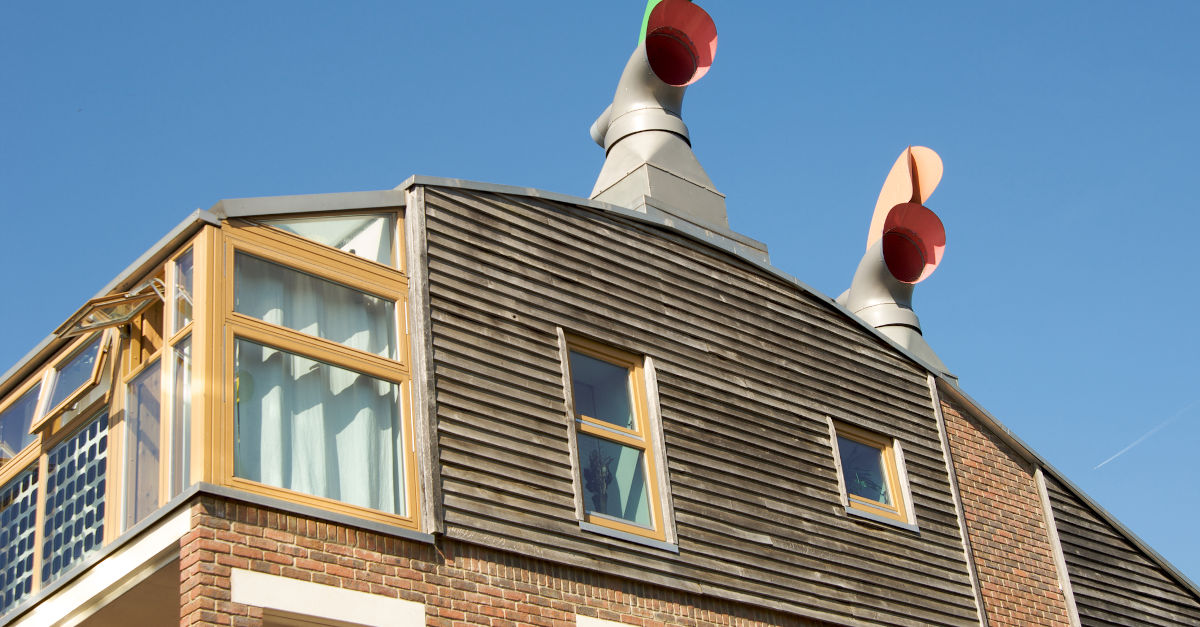
BedZED: This experimental district marks its 20th anniversary.

BedZED: This experimental eco-village celebrates its 20th anniversary. Designed with a focus on energy efficiency, the buildings achieve low operational consumption.

Can achieving an energy performance label guarantee low operational consumption for a building?

Drawing on feedback from initiatives like the highly informative PREBAT program, we now have enough perspective to state that selecting theoretically high-performing technical equipment does not guarantee future operational performance.

A careful review of the conclusions from these lessons learned highlights the importance of anticipating the maintainability of technical installations from the design stage, ensuring preventive maintenance of technical equipment, and optimizing regulation management according to occupant needs.

In other words, designing a high-performing technological object, certified by competent bodies, only validates the technical means implemented. It would also be relevant to accompany this with the validation of operational performance measures, in order to achieve actual efficiency throughout the building's lifespan. Furthermore, new technologies promise high performance, but only if accompanied by a precise and complex mastery of the systems in use. This phenomenon is intensifying with the rapid evolution of regulations, practices, and recent decrees.

Table of Contents

One solution to these issues is the commissioning process.

The Commissioning Process

You can put a Formula 1 car in the hands of an average person, but if they are not trained and do not master the machine's specificities, they will struggle immensely to complete even a single lap. This holds true despite the vehicle's simulated and wind tunnel performance data.

The Commissioning Process? What is it?

Commissioning is a process focused on anticipating quality for the benefit of operations. It is a management tool designed to achieve actual energy savings while reducing building operating costs.

We establish our commissioning processes as a continuum that begins at the design stage and continues through all key phases of construction and commissioning for new or renovated buildings, including the initial years of operation.

Ideally, the commissioning process begins as early as possible during the project programming phase: 

Commissioning during the project programming phase

Thus, the objectives for actual energy performance, maintainability, and operability are integrated during the project's design phase, in partnership with the client's requirements and the technical choices of the project management team. Objectives are developed and validated in coherence with the project's technical constraints.

These objectives are subject to specific monitoring during the construction phase, particularly during the key period of static and dynamic acceptance testing of the installations. The transition from execution to operation is also carefully managed to ensure the future maintenance team has complete mastery of technical and documentary tools.

This work continues throughout the initial years of operation through seasonal technical measurements of equipment performance, monitoring the achievement of energy consumption targets, and maintenance performance.

Commissioning and construction site monitoring

Commissioning: Our Clients' Perspective

Our real estate team's activities encompass investment, development, and asset management phases. Consequently, we pay close attention to the future operation of our buildings, and the commissioning process holds particular importance. In this regard, Sinteo has supported us since the design phase on the 'Six Degrés' construction project in Gentilly, which involves developing 40,000 m² of offices and services (corporate restaurant, fitness center, retail, and daycare). Sinteo's perspective, focused on the maintenance and energy performance of existing buildings, was crucial during the studies to validate technical choices for the operation and adjust the resources to be implemented in key maintenance areas, such as future occupants' common spaces or technical rooms. For example, Sinteo engaged its technical design office to define a high-quality Building Management System (BMS) installation and ensure an interface adapted for easy daily use to achieve the targeted energy performance. During the design phase, Sinteo also conducted a study of future operational costs, aiming to anticipate site management expenses (energy and water consumption, maintenance, cleaning, services, security, waste, green spaces, etc.). This allowed us to adapt the project to the issues identified upstream. With the commissioning process, we therefore approach the handover and operational takeover with greater confidence.

Thus, depending on the client's expectations, the identified objectives may vary:

  • Reduction of administrative appeals in case of property sale upon delivery
  • Anticipation and optimization of operational maintenance and services
  • Optimization and reduction of actual energy consumption
  • Site adaptation for climate resilience
  • Anticipation of all comfort and indoor environmental quality criteria for occupants

Ultimately, this approach leads to substantial savings on installations through enhanced longevity and durability over time. Consequently, the long-term value of the real estate assets is significantly improved.

An indispensable approach for addressing environmental challenges

Energy sobriety in the existing building sector is a major challenge given the climate emergency. This is also a strong imperative from public authorities driving the ecological transition.

To achieve this, energy performance objectives are no longer focused on the means to be implemented – the renowned high-performance technological object – but rather on actual consumption results based on an absolute value or a reference year. This is the core objective of the tertiary eco-energy scheme, derived from the tertiary decree, which perfectly aligns with the real consumption targets of commissioning. These targets must be anticipated before works commence, using specific tools such as Dynamic Energy Simulation (DES). Subsequently, phase-by-phase monitoring allows for verification of whether the results can be concretely achieved during operation. Attaining relative energy consumption values will only be possible with thorough monitoring.

Achieving optimized consumption during operation requires high-performance installations, as well as optimized building instrumentation and monitoring tools. This is the ambition of the BACS decree (Building Automation and Control Systems), for which commissioning also serves as a tool to anticipate the technical requirements of these systems for effective integration and relevant operational training for site managers.

Finally, commissioning is a powerful lever for quality initiatives and performance commitment contracts. This notably includes Global Performance Contracts (GPC), Energy Performance Contracts (EPC), and ISO 50001 – Energy Management.


Several environmental certifications and comfort quality labels have now integrated this approach. They enable the most accurate response to expectations for concrete operational successes, with verified means of implementation.

environmental certifications and labels for comfort quality
  • HQE BD (Sustainable Building);
  • BREEAM (Building Research Establishment Environmental Assessment Method);
  • LEED (Leadership in Energy and Environmental Design);
  • EFFINERGIE;
  • OSMOZ – Comfort / Well-being;
  • WELL

More than ever, this approach allows for increasing and protecting asset value by encouraging thoughtful and adapted investment through a continuous improvement process, rather than merely obtaining a certificate.

Post

Tertiary Decree and Real Estate Asset Management: Complying with the First Deadline and Integrating This New Regulatory Requirement into Asset Management

The 2021 deadline has been simplified, but it is approaching!

By September 30, 2021, tertiary buildings with a floor area exceeding 1,000m² must have met the first deadline of the Tertiary Eco-Energy Scheme (DEET – formerly the Tertiary Decree), specifically their initialization on the government platform OPERAT. The selection of the reference period is no longer required, having been postponed until September 2022 at the latest.

Read more »